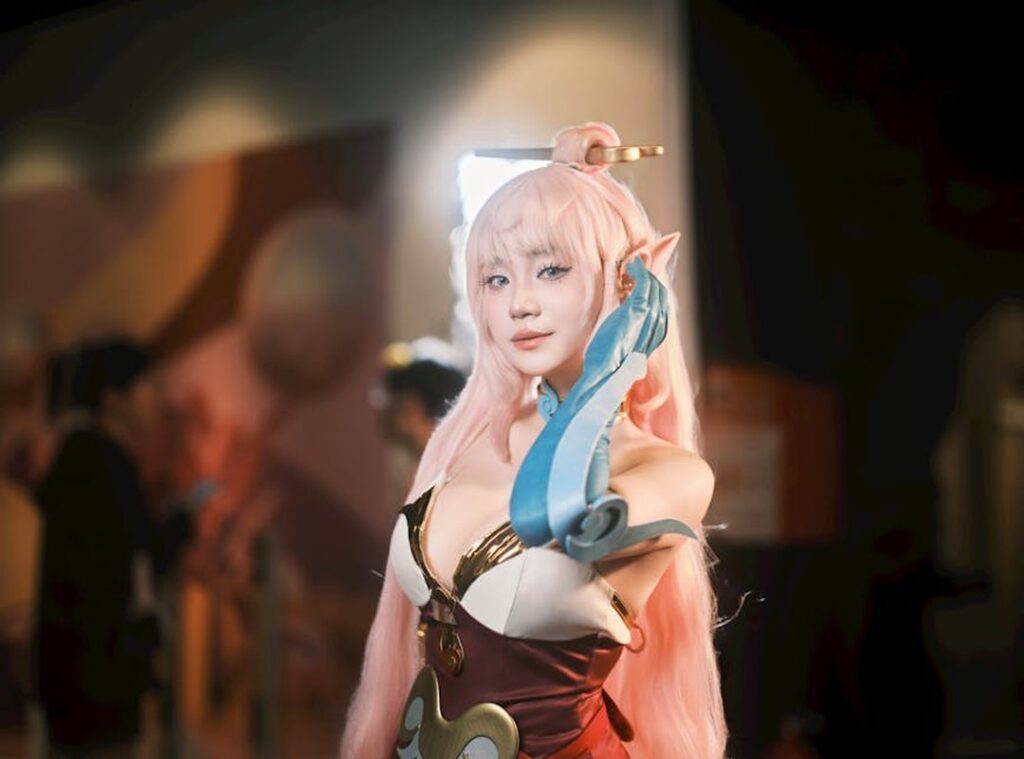

Japanese anime has taken the world by storm, no doubt about it. But have you heard of donghua? It’s China’s version of animated storytelling, and it’s making waves in its own right.
I’m here to tell you why donghua is worth your time. It’s not just another form of animation; it’s a unique blend of artistic styles, cultural history, and compelling themes.
You might not be familiar with it, but that’s okay. This is your chance to dive into something new and exciting.
We’ll explore how donghua has evolved over the years. From traditional ink-wash techniques to cutting-edge digital art, there’s a lot to uncover.
This guide isn’t just a list of shows. It’s about understanding the ‘why’ behind donghua. Why it resonates with so many people.
Why it’s becoming a global phenomenon.
So, let’s get started.
From Ink Wash to Digital Canvases: A Brief History of Donghua
Let’s start with the Shanghai Animation Film Studio. They were the pioneers, aiming to create a uniquely Chinese animation style.
Their most celebrated technique, and the ink-wash animation. It had this painterly, ethereal quality.
Take “The Cowboy’s Flute” for example, and it’s like watching a moving painting.
This style was a conscious choice. They wanted to stand out from Western and Soviet animations. So they drew inspiration from traditional landscape painting, or shan shui.
But then came a period of decline, and the industry struggled.
Fast forward to today, there’s been a resurgence. New technology and online platforms like Bilibili have played a big role. There’s also a renewed interest in national stories.
The aesthetic principles of that golden age still influence modern donghua. You can see it in the composition and environmental design.
So, what’s next? How do these old techniques fit into the future of tio donghua? That’s a question worth pondering.
As new technologies emerge, the blend of traditional and modern will likely even more.
The Visual Language of Donghua: What Makes It Unique?
Donghua, or Chinese animation, has a distinct visual style that sets it apart. One key element is the flowing fabrics and intricate hairstyles. These details add a sense of elegance and movement to the characters.
In contrast, Japanese anime often features more angular facial structures and brighter color palettes. The emphasis in donghua is on fluid, continuous motion. This creates a different kind of visual experience.
Take a look at Heaven Official’s Blessing. The 2D animation in this series is stunning. The detailed backgrounds and costumes are inspired by historical art.
This adds a layer of cultural authenticity and visual richness.
On the other hand, 3D (CGI) animation plays a big role in the Chinese market, especially for action-heavy genres like Xianxia. Douluo Continent is a great example. The 3D animation allows for elaborate martial arts choreography and fantastical settings.
The deep commitment to historical accuracy in costume and architectural design is a hallmark of tio donghua. This not only enhances the visual appeal but also provides a deeper connection to the culture and history being depicted.
Understanding these elements can help you appreciate the unique qualities of donghua. Whether you’re a casual viewer or a die-hard fan, knowing what to look for can make your viewing experience even more rewarding.
Weaving Mythology and Modernity: Core Themes in Chinese Animation

Chinese mythology, folklore, and classic literature play a huge role in shaping donghua narratives. Take Journey to the West, for example. It’s a timeless tale that’s been reimagined countless times.
Wuxia and Xianxia are two popular genres in Chinese animation. Wuxia features martial heroes in historical settings, while Xianxia dives into fantasy with gods, demons, and the quest for immortality. These stories often explore universal themes like perseverance, destiny, and the conflict between duty and personal desire.
The concept of ‘cultivation’ (xiūliàn) is a core power system in many fantasy series. It has roots in Taoist philosophy, emphasizing self-improvement and spiritual growth. This theme resonates with audiences, making it a staple in the genre.
Modern themes are also finding their way into donghua. For instance, The King’s Avatar explores the world of esports, and Link Click delves into mystery and suspense. This shows the genre’s adaptability and its ability to stay relevant.
TIO DONGHUA is a term you might hear, referring to the broader landscape of Chinese animation. It encompasses all these elements, blending traditional and contemporary storytelling.
In the end, whether you’re a fan of classic tales or modern twists, there’s something in tio donghua for everyone. And if you’re looking to scale your business creatively, check out 5 creative financing options for scaling your business.
Where to Start Your Donghua Journey: Essential Series to Explore
Donghua, or Chinese animation, has a rich tapestry of stories and styles. If you’re into artistry and storytelling, start with “Mo Dao Zu Shi.” It’s a quintessential 2D series known for its deep narrative and stunning visuals.
For something more modern, check out “Link Click.” This series is praised for its innovative narrative techniques and top-notch production quality. It’s a great example of where donghua is heading.
If mythology is your thing, “Nezha Reborn” is a must-watch. It’s deeply rooted in traditional tales but with a fresh, contemporary twist. It ties nicely into the themes we discussed earlier.
You can find these series on platforms like Crunchyroll, Netflix, and Bilibili TV. They’re all legal and offer a good streaming experience.
Pick one that resonates with you and dive in. You won’t be disappointed.
An Ever-Evolving Art Form Worth Watching
Chinese animated series, or donghua, offer a unique blend of rich cultural heritage and cutting-edge artistic innovation. These series stand out with their distinct visual identity, rooted in traditional art. Their narratives are deeply connected to Chinese philosophy and mythology.
Approach these series with an appreciation for their artistic craftsmanship and cultural depth. The future looks bright as donghua continues to gain recognition and captivate audiences on the global stage.
 Carlabeth Mitchellers is the kind of writer who genuinely cannot publish something without checking it twice. Maybe three times. They came to financial planning essentials through years of hands-on work rather than theory, which means the things they writes about — Financial Planning Essentials, Wealth Management Techniques, Market Trends and Analysis, among other areas — are things they has actually tested, questioned, and revised opinions on more than once.
That shows in the work. Carlabeth's pieces tend to go a level deeper than most. Not in a way that becomes unreadable, but in a way that makes you realize you'd been missing something important. They has a habit of finding the detail that everybody else glosses over and making it the center of the story — which sounds simple, but takes a rare combination of curiosity and patience to pull off consistently. The writing never feels rushed. It feels like someone who sat with the subject long enough to actually understand it.
Outside of specific topics, what Carlabeth cares about most is whether the reader walks away with something useful. Not impressed. Not entertained. Useful. That's a harder bar to clear than it sounds, and they clears it more often than not — which is why readers tend to remember Carlabeth's articles long after they've forgotten the headline.
Carlabeth Mitchellers is the kind of writer who genuinely cannot publish something without checking it twice. Maybe three times. They came to financial planning essentials through years of hands-on work rather than theory, which means the things they writes about — Financial Planning Essentials, Wealth Management Techniques, Market Trends and Analysis, among other areas — are things they has actually tested, questioned, and revised opinions on more than once.
That shows in the work. Carlabeth's pieces tend to go a level deeper than most. Not in a way that becomes unreadable, but in a way that makes you realize you'd been missing something important. They has a habit of finding the detail that everybody else glosses over and making it the center of the story — which sounds simple, but takes a rare combination of curiosity and patience to pull off consistently. The writing never feels rushed. It feels like someone who sat with the subject long enough to actually understand it.
Outside of specific topics, what Carlabeth cares about most is whether the reader walks away with something useful. Not impressed. Not entertained. Useful. That's a harder bar to clear than it sounds, and they clears it more often than not — which is why readers tend to remember Carlabeth's articles long after they've forgotten the headline.