
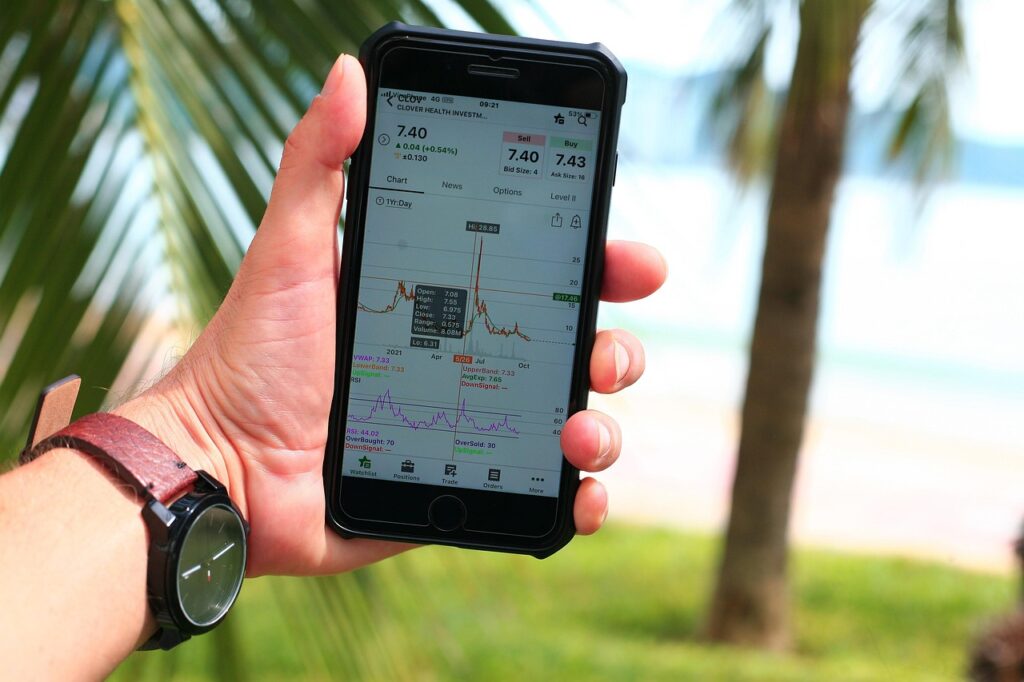
What Volatility Actually Is
Volatility is just a measure of how much and how fast stock prices move. When prices swing up and down constantly, you’re looking at a volatile market. When they move smoothly in one direction, or barely move at all, it’s low volatility.
Traders and analysts measure it using tools like standard deviation or the VIX (short for the CBOE Volatility Index), sometimes called the “fear gauge.” These metrics give a sense of how uncertain or reactive the market is at a given time.
But here’s the thing: volatility isn’t always a red flag. Sure, it can signal risk, especially when driven by panic or confusion. But it also brings opportunity. Price swings create entry points for long term investors and quick hits for short term traders. In other words, volatility is movement and movement is where the action is.
Core Causes of Market Volatility
Volatility doesn’t just pop out of nowhere there are usual suspects behind the rollercoaster. Here’s a breakdown:
Interest Rate Shifts
Interest rates are the heartbeat of financial markets. When central banks like the Federal Reserve raise or lower rates, investors adjust fast. Over the past couple of years, rate hikes aimed at curbing inflation have jolted stocks. Higher rates make borrowing more expensive and tighten liquidity, often dragging down market valuations. But sometimes, markets spike on the hope that hikes are behind us. It’s a delicate dance. For a detailed read, check out How Interest Rate Changes Are Shaping the Financial Markets.
Geopolitical Tensions
Wars, trade disputes, and diplomatic standoffs hit markets like thunderclaps. Whether it’s a supply chain choke in Asia or energy concerns in Europe, global tensions mess with stability. Confidence drops, and investors flee to safer assets.
Economic Uncertainty
Talk of recession, sudden inflation jumps, weak job numbers anything that clouds the bigger economic picture creates waves. When growth feels fragile or unpredictable, volatility spikes. Markets don’t like mystery.
Earnings Season Reactions
Companies release quarterly earnings, and investors act fast sometimes too fast. A single miss or surprise guidance can swing a stock 10% or more in a day. Multiply that across sectors, and the market moves sharply even if the fundamentals haven’t changed much.
Algorithmic & High Frequency Trading
Not all trades are human. Algos and bots react to news and price movements in milliseconds. These systems can spike volume and sway prices before most people have time to blink. On volatile days, they can amplify swings by a wide margin.
Bottom line? You can’t always predict it but you can know what to watch.
Modern Triggers to Watch in 2026

In 2026, market volatility isn’t just about old cycles. It’s driven by a new stack of stress points that traders and long term investors can’t ignore.
First, renewed inflation concerns are back in play. Stimulus money from the post pandemic recovery juiced markets and spending but that well’s run dry. Now, sticky services inflation and wage pressure are fueling uncertainty. Investors are pricing in the idea that rate cuts may not come fast or deep enough.
Then there’s the U.S. China standoff over semiconductor tech. Chips are the new oil, and both sides are layering on export controls, subsidies, and IP tensions. Markets hate cross border friction, especially when it threatens the tech supply chain.
The AI sector, which saw massive inflows in 2024 and 2025, is also cooling off. Sky high expectations are now dragging underperforming stocks back to earth. Overvaluation is correcting painfully taking some broader indexes down with it. This isn’t a crash, but it’s definitely a reality check.
To round it out, consumer weakness is showing up across Q1 earnings. Higher interest rates, fewer savings, and cautious spending are dragging on retail and service sector results. When the consumer slows down, it touches everything.
These aren’t one off events. They’re overlapping pressures that fuel daily swings. For investors, understanding them is the first step to navigating the turbulence.
Practical Solutions for Managing Volatility
Volatility is inevitable but it doesn’t have to derail your entire investment strategy. With the right approach, you can mitigate risks and even turn sharp market movements to your advantage. Here are four practical strategies to help navigate unpredictable markets in 2026 and beyond:
Diversification: Spread Risk, Not Panic
Diversification remains one of the most reliable tools for managing volatility. By allocating your investments across asset types, industries, and regions, you reduce the impact of any single market event on your portfolio.
Mix across sectors: Tech, energy, healthcare, and consumer goods
Include international holdings to tap into global opportunities
Blend asset classes stocks, bonds, real estate, and commodities
Use of Stop Losses: Define Your Downside
Stop loss orders are predetermined price points where you automatically sell an investment to cap your potential loss. While not foolproof, they’re helpful for setting boundaries and removing emotion from fast moving markets.
Set stop losses based on risk tolerance and market conditions
Revisit and adjust stops as market trends shift
Avoid overly tight stops that could trigger on minor swings
Long Term Focus: Don’t Let Noise Skew Strategy
The best investors understand that market cycles are part of the process. Instead of reacting to every downturn, they stay anchored to long term goals and the underlying thesis behind their investments.
Review your portfolio’s purpose regularly, not its hourly performance
Use volatility as a chance to reassess valuation and rebalance
Focus on fundamentals earnings, growth potential, and business quality
Stay Informed but Unemotional: Add Knowledge, Not Anxiety
Keeping up with the news is essential but overreacting to every headline isn’t. Successful investors learn the difference between temporary market shocks and long term trend shifts.
Track key economic indicators without letting fear dictate actions
Separate hype from data, especially in volatile sectors like tech and crypto
Follow credible sources and avoid emotional decision making
Volatility often feels chaotic, but the right mindset and planning can turn it into a period of opportunity rather than panic.
Final Take
Market volatility in 2026 has been sharp, but it’s not exactly breaking news. History has shown that markets move in cycles booms followed by corrections, optimism followed by caution. What’s different now is the speed and scope: global politics, AI breakthroughs, and central banks pulling levers faster than ever. That cocktail keeps investors on edge, but it also creates room for strategy.
The smart move isn’t to panic it’s to stick to fundamentals. Know what’s driving the swings. Stay diversified. Set limits where it makes sense, and stay focused on long term goals. Volatility doesn’t mean the market’s broken. It means it’s alive. Adapt and stay sharp, but don’t let fear take the wheel.