Why Diversification Matters in 2026
Diversification is simple: don’t put all your eggs in one basket. In investing, that means spreading your money across different types of assets stocks, bonds, real estate, and others so that if one tanks, the rest can cushion the blow. It’s not a magic shield, but it lowers the odds of losing big.
In 2026, this strategy matters more than ever. Inflation’s still nudging prices upward. Tech stocks are riding waves some up, some down. And globally, things feel…unstable. Diversification helps you ride out the chaos. It won’t guarantee overnight riches, but it does make your portfolio sturdier when trends shift or markets wobble.
Think of it as a way to stay in the game longer, without burning out or bailing when things get rocky. Whether you’re new to investing or looking to build stability into your strategy, spreading the risk is a smart first move.
Key Asset Classes to Know
Stocks
When most people think of investing, they start with stocks and for good reason. Stocks offer some of the highest growth potential over the long run. You’re buying a small piece of a company, betting on its future. Volatile in the short term? Absolutely. But historically, patient investors have seen solid returns. Great for those with time and tolerance for the market’s ups and downs.
Bonds
Bonds are the steady hand in your portfolio. They’re essentially IOUs from governments or corporations who pay you interest over time. Returns aren’t flashy, but they shine when markets crash. In downturns or uncertain times, bonds help smooth out the turbulence. That stability is their value.
Real Estate
Real estate pulls double duty. It can bring in monthly income through rent and act as a buffer against inflation. Whether it’s physical property or REITs (real estate investment trusts), it’s one of the few assets that can earn while it appreciates. Just be prepared for higher upfront costs and slower liquidity.
ETFs & Index Funds
These are the go to for beginner investors and honestly, for most pros too. ETFs (exchange traded funds) and index funds offer instant diversification. Instead of betting on one stock, you’re spreading out across many. Low fees, broad exposure, and minimal hassle make these a smart foundation.
Alternative Investments
These are the wild cards: crypto, commodities like gold, or even art and collectibles. High potential rewards, but also higher risk. They’re not for everyone, and definitely not the core of a beginner portfolio. Still, having a small slice set aside for alternatives can add variety and opportunity without wrecking your strategy.
How to Balance Risk and Reward

Understanding how to manage risk and reward is crucial when creating a well rounded investment portfolio. Not every investor has the same appetite for risk, and your age, goals, and financial situation should guide your strategy not just market trends.
Know Your Risk Tolerance
Before investing, assess how much risk you’re comfortable taking. This will shape decisions about where your money goes.
Conservative investors may prioritize stability, favoring bonds and high dividend stocks
Moderate investors might opt for a mix of equities and fixed income
Aggressive investors often lean heavily on stocks and alternative assets with high return potential
Ask yourself:
Could I handle a 20% market dip without panic selling?
Am I investing for short term gains or long term growth?
Building Based on Life Stage & Financial Goals
Your age and life circumstances should influence how you balance your investments:
In your 20s 30s: You can afford higher risk with a focus on growth (e.g., equities, ETFs)
In your 40s 50s: Start gradually incorporating more income focused and stable assets
Nearing retirement: Capital preservation becomes key, with a heavier bond or cash component
Your portfolio should also reflect:
Time horizon until you need the funds
Goals (buying a home, funding college, retirement)
Adjusting the Portfolio Mix
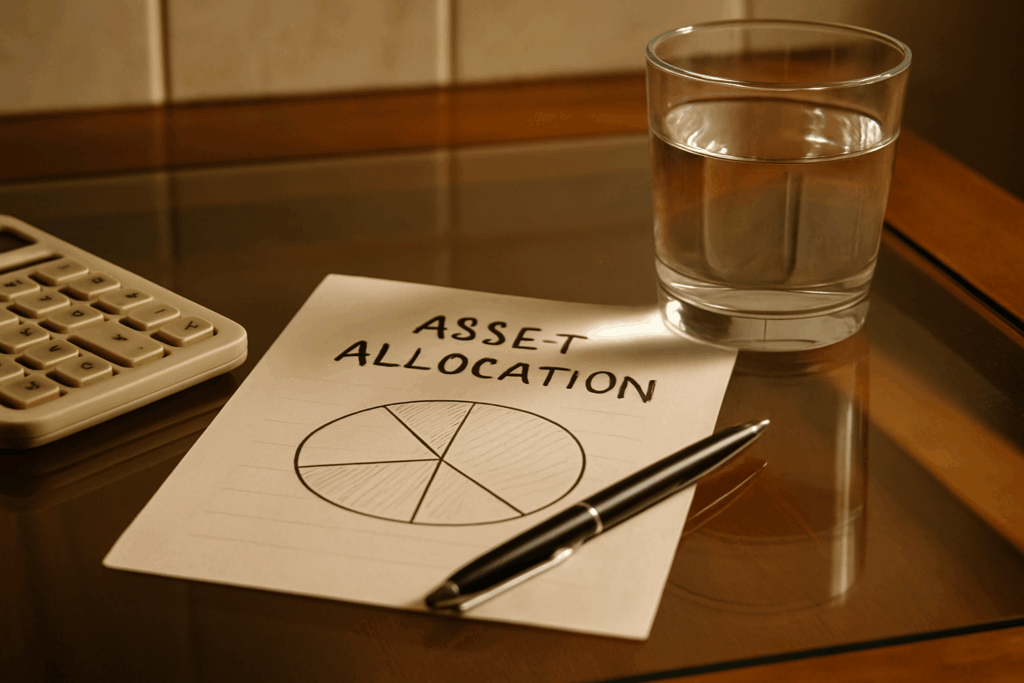
A common way to balance risk and reward is by allocating investments across asset types. While there’s no one size fits all formula, a simple example looks like this:
Example portfolio split:
70% Stocks: For long term growth
20% Bonds: For stability and income
10% Alternatives: For diversification and higher potential gains
Over time, reassess and rebalance as your needs and market conditions evolve.
A well balanced portfolio isn’t rigid it’s responsive.
Starting Small, Thinking Long Term
You Don’t Need to Be Wealthy to Begin
Investing in 2026 isn’t reserved for high net worth individuals. Thanks to new technology and more inclusive platforms, anyone with a few dollars can start building a portfolio. The key is consistency not wealth.
Why starting small works:
Many investment platforms now offer low or no account minimums
You can begin with as little as $5 $10
Getting started early allows time for your investments to grow
Fractional Investing and Commission Free Trades
One of the biggest shifts in investing over the past few years has been accessibility. With fractional investing, you no longer need to buy a full share of an expensive stock. Combine this with commission free trades, and it’s easier than ever to take your first step.
What this means for beginners:
You can buy a portion of high priced stocks like Amazon or Tesla
No trading fees means more of your money stays invested
Ideal for dollar cost averaging, even on a budget
The Power of Compound Interest
Time is the biggest asset new investors have. Compound interest the process by which your investment earnings generate their own earnings makes small, consistent contributions turn into significant wealth over time.
How compounding works in your favor:
Reinvested earnings boost long term gains
Even modest returns build substantially over decades
Starting early magnifies the effect dramatically
Explore more: Top Long Term Investment Strategies for Steady Growth
Tools and Tips for Staying on Track
Managing an investment portfolio doesn’t have to mean living inside a spreadsheet. In 2026, everyday investors are leaning hard on tech to keep things simple and smart. Automated investing apps and robo advisors do a lot of the legwork building diversified portfolios, reinvesting dividends, and adjusting your mix based on your goals. They don’t panic during market volatility. That alone makes them useful allies.
Still, set it and forget it isn’t the whole play. Rebalancing your portfolio annually is a quiet power move. It keeps your asset allocation aligned with your plan, even as markets shift. Think of it like rotating tires on a car it’s maintenance that protects long term performance.
And when markets dip? The disciplined investor doesn’t flinch. Selling in a panic locks in losses, while staying the course positions you for rebound gains. Automated tools can help here too, insulating you from the urge to fiddle with your investments when emotions run high. Staying the course doesn’t mean doing nothing it means doing the right things consistently.
Final Takeaways
Keep Diversification Simple But Strategic
Diversifying your investment portfolio doesn’t require complexity, just intentionality. The goal isn’t to own every investment under the sun; it’s to build a mix that can grow steadily while protecting against the unexpected.
Spread risk across different asset classes (stocks, bonds, real estate, etc.)
Avoid over concentrating in a single sector or investment type
Remember: It’s not about having more, it’s about having balance
Time and Consistency Matter More Than Timing
Trying to time the market is often a losing game. What works better? A steady, committed approach over the long haul.
Start investing as soon as you can even in small amounts
Stay consistent with contributions, especially during market dips
Let compound returns do the heavy lifting over time
Personal Goals Should Shape Your Portfolio
Your portfolio should reflect your life stage, goals, and risk comfort not just the latest market buzz.
Set clear financial objectives (e.g., retirement, buying a home, passive income)
Choose an investment mix that supports your timeline and tolerance for risk
Reassess periodically to stay aligned with evolving priorities
Bottom Line: The best portfolio isn’t the flashiest it’s the one designed for you. Stick to your plan, stay patient, and let time work in your favor.