Start Early or Pay Later
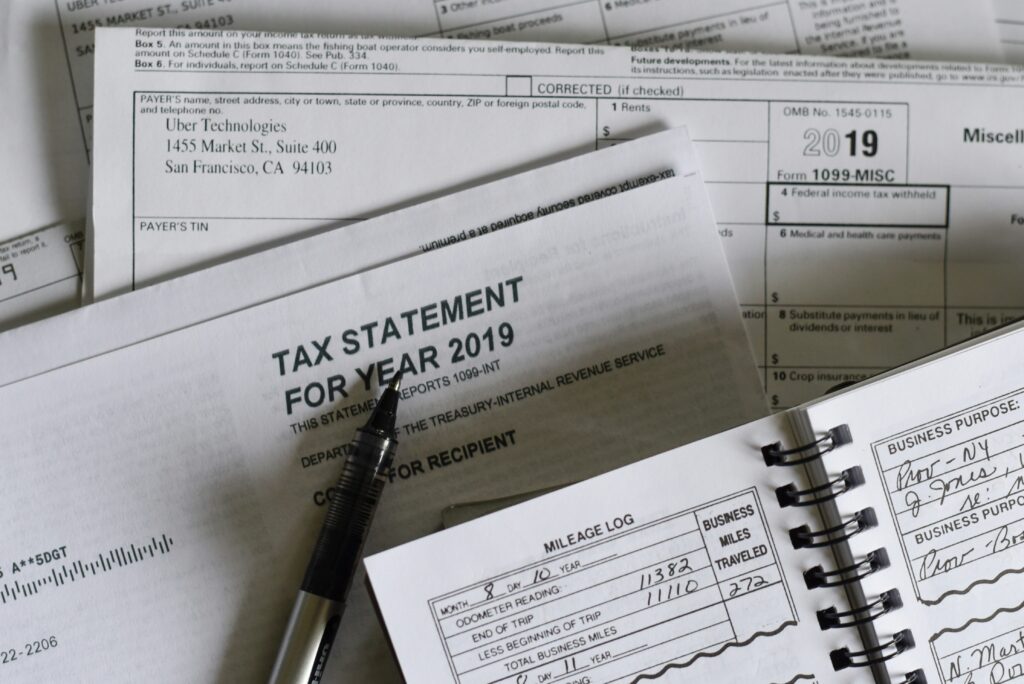
Waiting until December to think about taxes is like cramming for finals the night before it rarely ends well. By then, most of your financial year is already etched in stone. Opportunities to tweak your income, boost deductions, or stash cash into retirement accounts might already be off the table. That means less flexibility and a potentially higher tax bill.
Proactive tax planning, on the other hand, gives you room to maneuver. You can make timely decisions: increasing pre tax contributions, optimizing charitable giving, and harvesting tax losses before the window closes. Done early, these moves can legally and substantially reduce what you owe come April.
Ignore it, and the hidden costs pile up. Common deductions like student loan interest, HSA contributions, and energy efficient home upgrades are often missed simply because people run out of time or don’t know they qualify. Credits especially those for education, dependents, and retirement savers can slip through the cracks. Better to start in October than scramble in December.
Know Your Tax Bracket
If you want to stop leaving money on the table, the first step is understanding where you stand. Federal tax brackets in 2026 are set to revert back to pre 2018 levels unless Congress intervenes. That means higher top marginal rates and lower thresholds for moving up a bracket. Translation: the same income may be taxed more seriously than it was last year.
Let’s get this straight Americans are taxed on a margin. That means only the money within each bracket is taxed at that rate. If a higher bracket starts at $95,000, only your income above that point gets hit with the steeper rate. Problem is, most people confuse this with their effective tax rate the blended average they truly pay across all income tiers. Knowing the difference is key when making tax saving moves.
So how does this shape your strategy? If you’re close to jumping into the next tax bracket, accelerating deductions or deferring income may help. If you’re earning well within a stable range, your focus may shift to optimizing tax advantaged accounts. Either way, knowing your bracket isn’t trivia it’s leverage.
Max Out Key Deductions and Credits
If you’re serious about keeping more of your money, this is where you need to pay attention. Retirement contributions are not just about future you they’re also one of the cleanest ways to trim this year’s tax bill. For 2024, you can contribute up to $23,000 to a 401(k) if you’re under 50, or $30,500 if you’re 50 or older. Traditional IRAs? Up to $7,000, or $8,000 with the catch up. SEP IRAs for the self employed go even higher, topping out at $69,000 depending on earnings.
Then there are above the line deductions those stealthy deductions that reduce your taxable income whether you itemize or not. Think student loan interest, HSA contributions, educator expenses, even out of pocket costs if you moved for a military job. People miss these every year because they don’t look for them.
And don’t sleep on credits they reduce your tax owed, not just income. The American Opportunity Credit and Lifetime Learning Credit can help offset college costs. Energy efficient home upgrades (like solar panels or new windows) open doors to serious tax breaks. And if you’ve got kids, the Child Tax Credit and Dependent Care Credit might be on the table, depending on your income.
Taxes aren’t just about April they’re about what you do right now. These deductions and credits are real tools. Use them.
Time Your Income and Expenses Smartly

Timing is everything when it comes to taxes. Two powerful tactics income deferral and expense bunching can shift your taxable income just enough to reduce what you owe. Here’s how to use them without needing a CPA on speed dial.
Income deferral is mostly about pushing money into the next calendar year. If you’re expecting a year end bonus (and you have any say in it), see if your employer can hold it until January. Freelancers can hold off sending invoices until late December so income lands in the following year. This moves income into a future tax year helpful if you expect to be in a lower bracket next year.
Expense bunching, on the other hand, stacks your deductions to have more impact. This means grouping deductible expenses into a single year to get past the standard deduction threshold. For example, pay January’s rent for your office space early, pile up charitable donations, or schedule medical procedures before year end if it makes sense.
W 2 employees usually have less flexibility, but that doesn’t mean zero options. If you’re close to hitting a deduction threshold like for healthcare or charitable giving bunching can still work. Freelancers, though, can play offense: stock up on equipment, make business purchases, or renew software subscriptions before December 31.
The goal? Lower your taxable income now, not when it’s too late. It’s not about gaming the system it’s about knowing the rules and using them to your advantage.
Review Withholdings and Estimated Taxes
Too much withheld? You’re giving the IRS an interest free loan. Too little? Say hello to surprise bills and penalties. Striking the right balance with tax withholdings or estimated payments is more than just good math it’s a smart financial habit.
Start with the IRS Tax Withholding Estimator. It’s free, fast, and way better than guessing. Plug in your income, deductions, filing status, and it tells you if your current setup is on track. For freelancers or side hustlers, accounting apps like QuickBooks Self Employed or platforms like Keeper can help track income, flag deductions, and estimate your quarterly taxes in real time.
If you’re getting hit with underpayment penalties, the issue usually isn’t how much you eventually pay it’s when. The IRS wants its cut in roughly even installments throughout the year. Break your year into quarters, estimate your income, and pay accordingly. Overpaying early and ghosting the rest of the year can still trigger penalties.
Bottom line: Use available tools to project taxes, fine tune withholdings, and stay ahead of quarterly deadlines. It’s less about fear of audits and more about keeping your cash flow smooth and your tax bill predictable.
Don’t Skip the Basics: Emergency Fund Impacts
Having an emergency fund may not sound like a tax move but it’s one of the simplest levers you can pull for more flexibility. When unexpected expenses hit, a solid emergency fund keeps you from scrambling to sell investments (and triggering a taxable event) or racking up high interest credit card debt. In short, cash equals control.
An emergency fund also gives you space to take advantage of strategic tax decisions with better timing. Got a big deductible donation or retirement contribution in mind? You’ll need liquidity. With cash reserves in place, you’re not forced to choose between smart tax moves and covering your rent.
Even more critical: having backup funds reduces your reliance on debt. And debt, especially the high interest kind, drags both on your finances and your mental bandwidth. Interest doesn’t just hurt your bottom line it makes you reactive. Planning around unexpected bills instead of reacting to them is how people make the shift from surviving tax season to navigating it on purpose.
For more on what your emergency fund should look like and how to build one, check out this guide.
Wrap Up the Year With a Checklist
As the year draws to a close, it’s your final opportunity to take strategic, impactful actions that can improve your tax return and simplify the filing process. Don’t wait until the calendar flips these moves are best made before December 31.
5 Smart Moves to Take Before Year End
To make the most of your return and reduce surprises in April, consider these actionable steps:
Make final contributions to tax advantaged accounts (401(k), IRA, HSA)
Harvest tax losses to offset market gains (stocks, mutual funds)
Select year end charitable donations for itemized deduction potential
Review and pay deductible expenses like property taxes or medical bills
Invoice timing delay or accelerate income depending on your 2023 2024 tax outlook
What to Ask Your Tax Advisor Now
It’s not just about filing it’s about planning. Use your year end conversation with a tax professional to:
Clarify which deductions and credits you can still capitalize on
Discuss whether itemizing or taking the standard deduction is smarter this year
Review any changes in your income, employment status, or household that could affect your taxes
Ask how the latest tax law changes (like 2026 bracket adjustments) may impact your planning going forward
Stay Organized for Smoother Filing
Efficient tax planning isn’t just about what you do; it’s about how you prepare. A well organized set of financial documents can make tax season faster, easier, and potentially more lucrative.
Here’s how to stay ahead:
Keep digital or physical copies of receipts for donations, education expenses, and medical costs
Use tax prep software or expense tracking tools to stay current
Create a checklist of forms to expect: W 2, 1099s, interest statements, retirement contributions
Set calendar reminders for filing key forms and estimated taxes
Taking these steps proactively sets the tone for a well managed, lower stress tax season.
 Georgena Lozanovaz has opinions about investment insights and tips. Informed ones, backed by real experience — but opinions nonetheless, and they doesn't try to disguise them as neutral observation. They thinks a lot of what gets written about Investment Insights and Tips, Financial Planning Essentials, Wealth Management Techniques is either too cautious to be useful or too confident to be credible, and they's work tends to sit deliberately in the space between those two failure modes.
Reading Georgena's pieces, you get the sense of someone who has thought about this stuff seriously and arrived at actual conclusions — not just collected a range of perspectives and declined to pick one. That can be uncomfortable when they lands on something you disagree with. It's also why the writing is worth engaging with. Georgena isn't interested in telling people what they want to hear. They is interested in telling them what they actually thinks, with enough reasoning behind it that you can push back if you want to. That kind of intellectual honesty is rarer than it should be.
What Georgena is best at is the moment when a familiar topic reveals something unexpected — when the conventional wisdom turns out to be slightly off, or when a small shift in framing changes everything. They finds those moments consistently, which is why they's work tends to generate real discussion rather than just passive agreement.
Georgena Lozanovaz has opinions about investment insights and tips. Informed ones, backed by real experience — but opinions nonetheless, and they doesn't try to disguise them as neutral observation. They thinks a lot of what gets written about Investment Insights and Tips, Financial Planning Essentials, Wealth Management Techniques is either too cautious to be useful or too confident to be credible, and they's work tends to sit deliberately in the space between those two failure modes.
Reading Georgena's pieces, you get the sense of someone who has thought about this stuff seriously and arrived at actual conclusions — not just collected a range of perspectives and declined to pick one. That can be uncomfortable when they lands on something you disagree with. It's also why the writing is worth engaging with. Georgena isn't interested in telling people what they want to hear. They is interested in telling them what they actually thinks, with enough reasoning behind it that you can push back if you want to. That kind of intellectual honesty is rarer than it should be.
What Georgena is best at is the moment when a familiar topic reveals something unexpected — when the conventional wisdom turns out to be slightly off, or when a small shift in framing changes everything. They finds those moments consistently, which is why they's work tends to generate real discussion rather than just passive agreement.